
Selection criteria for ceramic kiln dedicated fans and high-quality ceramic kiln dedicated fans
Author:Guangdong WUSHI Fan.,LTD.
Click:
Time:2025-07-12 13:36:15
Selection criteria for ceramic kiln dedicated fans and high-quality ceramic kiln dedicated fans
1、 Why do ceramic kilns need dedicated fans
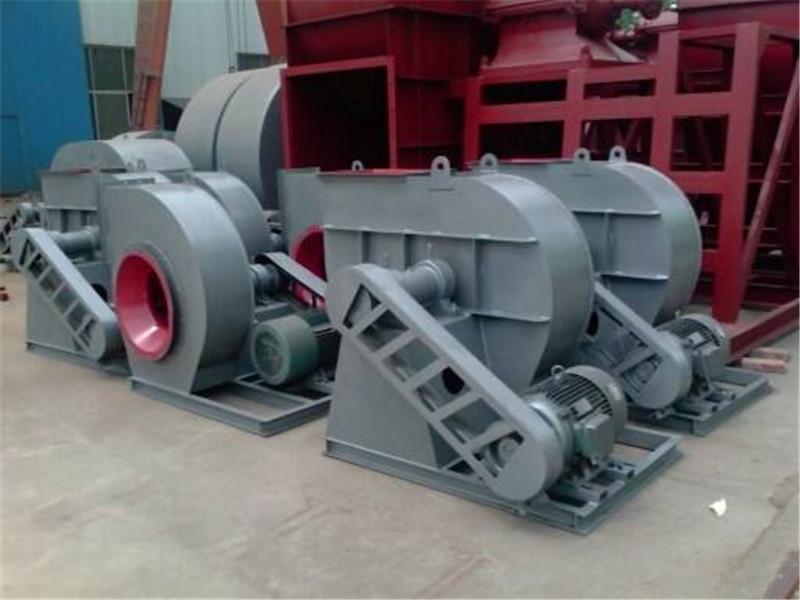
(1) Meet specific temperature environment requirements
When ceramic kilns are in operation, the internal temperature is usually in the hundreds or even thousands of degrees Celsius. Ordinary fans cannot withstand such high temperatures, and their materials may undergo deformation, aging, and other conditions at high temperatures, resulting in a decrease in fan performance or even damage. The dedicated fan is made of high-temperature resistant materials such as high-temperature alloys and ceramics, which can operate stably in high-temperature environments, ensuring the continuous normal operation of the fan and providing stable gas delivery for the cellar.
(2) Realize precise temperature control
Ceramic firing requires extremely high temperature uniformity. Specialized fans can evenly distribute hot air in the cellar through reasonable air duct design and precise air volume adjustment, reducing temperature gradients. For example, in a tunnel kiln, the kiln head blower fan transports hot air, and the kiln tail exhaust fan discharges exhaust gas. The two work together to maintain stable temperature inside the kiln, ensure uniform heating of ceramic products during firing, and improve product quality and yield.
(3) Adapt to complex gas media
Ceramic kilns generate high-temperature flue gas containing complex components such as dust and harmful gases (such as sulfur dioxide and nitrogen oxides) during operation. The design of the dedicated fan takes these factors into consideration and adopts protective measures such as wear resistance and corrosion resistance. For example, the surface of the fan impeller can be hardened or coated with anti-corrosion coating. The casing is made of corrosion-resistant materials to prevent dust wear and harmful gas corrosion, extend the service life of the fan, and ensure its normal operation in harsh gas environments.
(4) Ensure safe production
If ordinary fans are used in ceramic kilns, they may pose safety hazards due to performance failures in high temperature and complex gas environments, such as high-speed flying out of damaged fan impellers or fires caused by electrical faults. The dedicated fan for ceramic cellar furnaces has been specially designed and rigorously tested, with good safety and stability, which can reduce the risk of equipment failure, provide safety guarantees for ceramic production, and ensure the smooth progress of the production process.
2、 How to choose high-quality ceramic kiln dedicated fans
(1) Clarify performance parameter requirements
Temperature range: Select a fan that matches the temperature tolerance range based on the actual operating temperature of the ceramic kiln. For example, the temperature of the kiln used for firing daily-use ceramics is generally between 1000-1300 ℃. Therefore, the temperature resistance design of the fan should be at least 1300 ℃ or above, and a certain temperature margin should be reserved to cope with possible temperature fluctuations.
Airflow requirement: Accurately calculate the required airflow based on the volume of the kiln and the gas circulation demand inside the kiln. Taking a tunnel kiln with a length of 50 meters and a width of 2 meters as an example, in order to ensure that the gas inside the kiln circulates 5 times per hour, the required air volume value can be calculated, and then the fan that can meet the air volume requirement can be selected.
Wind pressure parameters: Considering factors such as air duct resistance and kiln pressure control, determine the appropriate wind pressure. For example, when the air duct is long and has multiple bends, the fan needs to have high air pressure to smoothly deliver the gas to the designated location. Generally speaking, wind pressure should be able to overcome air duct resistance and maintain the set pressure inside the kiln.
(2) Pay attention to the material of the fan
Impeller material: The impeller is the core component of the fan. For ceramic kilns in high-temperature and dusty environments, wear-resistant and high-temperature resistant alloy materials such as nickel chromium alloy can be selected; In environments with corrosive gases, stainless steel or impellers with anti-corrosion treatment on the surface can be used to improve the service life and stability of the impeller.
Shell material: The shell should have good high temperature resistance and strength performance. High quality heat-resistant steel, such as 310S, 2520, etc., can be selected. These materials not only can withstand high temperatures, but also have a certain degree of deformation resistance, ensuring the stability of the overall structure of the fan.
(3) Examine brands and manufacturers
Brand reputation: Choose a brand with a good reputation and high visibility in the ceramic industry. For example, Shandong Hongyu Fan Co., Ltd. has many years of experience in the field of ceramic kiln fans, and its products are trusted by customers for their stable performance and long service life. Brand reputation can be learned through industry forums, customer reviews, industry exhibitions, and other channels.
Production Strength: Evaluate the manufacturer's production equipment, technological research and development capabilities, and quality control system. Manufacturers with advanced production equipment such as laser cutting, CNC gantry milling machines, FANUC welding robots, professional R&D teams, and complete quality inspection processes are more likely to produce high-quality fan products. For example, a fan performance laboratory can conduct energy efficiency tests on products to ensure that manufacturers who meet the performance standards of each fan have better product quality assurance.
(4) Consider energy-saving and environmental protection features
Energy saving performance: Priority should be given to energy-saving fans, such as those designed with high-efficiency impellers and equipped with variable frequency speed control devices. This type of fan can adjust the speed according to the actual operation of the cellar to reduce energy consumption. Taking a ceramic factory as an example, after replacing the original ordinary fan with a variable frequency energy-saving fan, the monthly electricity bill was reduced by about 30%.
Environmental characteristics: With increasingly strict environmental requirements, fans that can reduce exhaust emissions and noise pollution should be selected. For example, fans can be equipped with noise reduction devices to reduce the noise generated during operation; Adopting reasonable structural design to improve gas combustion efficiency and reduce the generation of harmful gases.

Guangdong Wushi Fan Co., Ltd.
TEL:0086-757-81263018, 013336414696
FAX:0086-757-8126309
Website:https://www.industrial-fan.top
QQ:3834825849
E-mail:wushifengji@126.com

WeChat online customer service
Copyright ©Guangdong Wushi Fan Co., Ltd.

点击右上角
分享给朋友吧
