
High temperature fan: the "efficiency engine" for aluminum profile aging treatment
Author:Guangdong WUSHI Fan.,LTD.
Click:
Time:2022-05-27 10:53:37
High temperature fan: the 'efficiency engine' for aluminum profile aging treatment
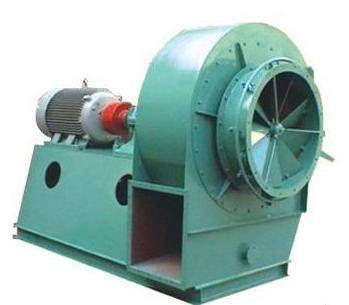
In the manufacturing process of aluminum profiles, aging treatment is a key step in endowing materials with ideal mechanical properties, and high-temperature fans play an irreplaceable role as the 'efficiency engine' in this link. It reshapes the microstructure of aluminum profiles with strong power and precise regulation, injecting stable and reliable quality genes into industrial production.
The aging treatment of aluminum profiles aims to change the internal structure of the aluminum material through heating and insulation, and improve its strength and hardness. In the 'magical space' of the aging furnace, the high-temperature fan is the core that controls heat transfer. It drives high-temperature hot air to circulate in the furnace through forced convection, ensuring that every inch of aluminum profile can be evenly wrapped. Compared to natural convection, high-temperature fans can control the temperature uniformity error inside the furnace within ± 3 ℃, completely eliminating local overheating or undercooling phenomena. This not only avoids performance differences caused by uneven temperature, but also ensures highly consistent quality of aluminum profiles from different batches, meeting the stringent requirements of high-end manufacturing for product stability.
Efficiency is the lifeline of modern industry, and high-temperature fans greatly improve the efficiency of aluminum profile aging treatment. Traditional natural convection has slow heat transfer and a long production cycle. The high-temperature fan accelerates the heat exchange rate, allowing heat to penetrate into the interior of the aluminum profile faster, significantly reducing the aging time by 30% -50%. Taking a batch of large industrial aluminum profiles as an example, high-temperature fan assisted aging treatment was used. The process that originally required 8 hours can now be completed within 5 hours, significantly increasing production capacity. At the same time, the continuous and stable airflow of the high-temperature fan can also reduce the formation of oxide film on the surface of aluminum, lower the difficulty of subsequent processing, and further optimize the production process.
In addition to temperature uniformity and efficiency, high-temperature fans are equally crucial for shaping the final quality of aluminum profiles. A stable hot air flow environment can allow the alloy elements inside the aluminum material to fully diffuse and evenly distribute, forming a dense strengthening phase. The optimization of this microstructure significantly improves the performance indicators such as tensile strength and yield strength of aluminum profiles, ensuring that they can withstand long-term complex stress in application scenarios such as building curtain walls and rail transit. In addition, the ability of high-temperature fans to remove moisture can effectively prevent the accumulation of moisture in the furnace, avoid defects such as water stains and spots on the surface of aluminum profiles, and safeguard the appearance quality of products.
From microstructure optimization to macroscopic performance improvement, high-temperature fans play the role of 'heroes behind the scenes' in the aging treatment of aluminum profiles. With the continuous advancement of technology, intelligent high-temperature fans are gradually becoming popular. Their precise temperature control and intelligent regulation capabilities will bring higher quality and efficiency to the aging treatment of aluminum profiles, promoting the aluminum profile industry towards high-end and intelligent development.

Guangdong Wushi Fan Co., Ltd.
TEL:0086-757-81263018, 013336414696
FAX:0086-757-8126309
Website:https://www.industrial-fan.top
QQ:3834825849
E-mail:wushifengji@126.com

WeChat online customer service
Copyright ©Guangdong Wushi Fan Co., Ltd.

点击右上角
分享给朋友吧
